Why AVEA, Why now?
It’s time to get to work
Science is no longer telling us what might happen. Every major measure of the planet’s health is moving the wrong direction — fast. If there’s one thing vets and their colleagues are trained for, it’s looking at the facts, rolling up their sleeves and getting to work.
The evidence is clear
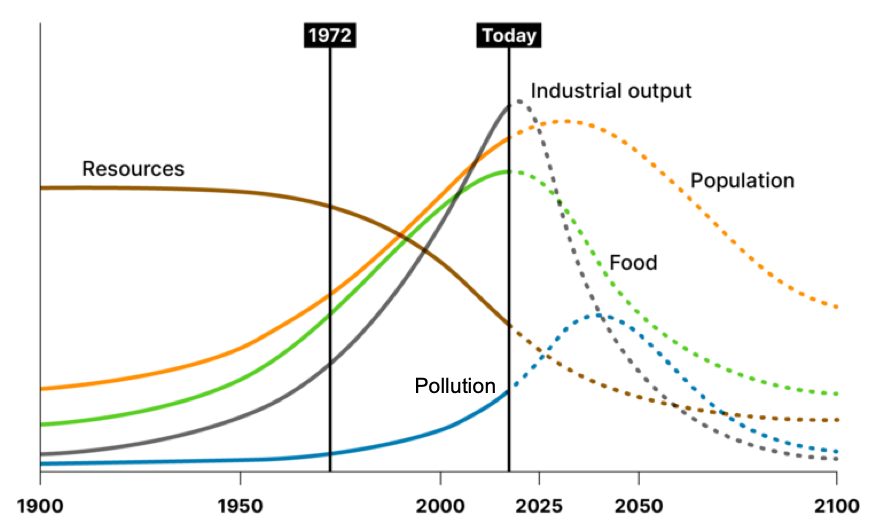
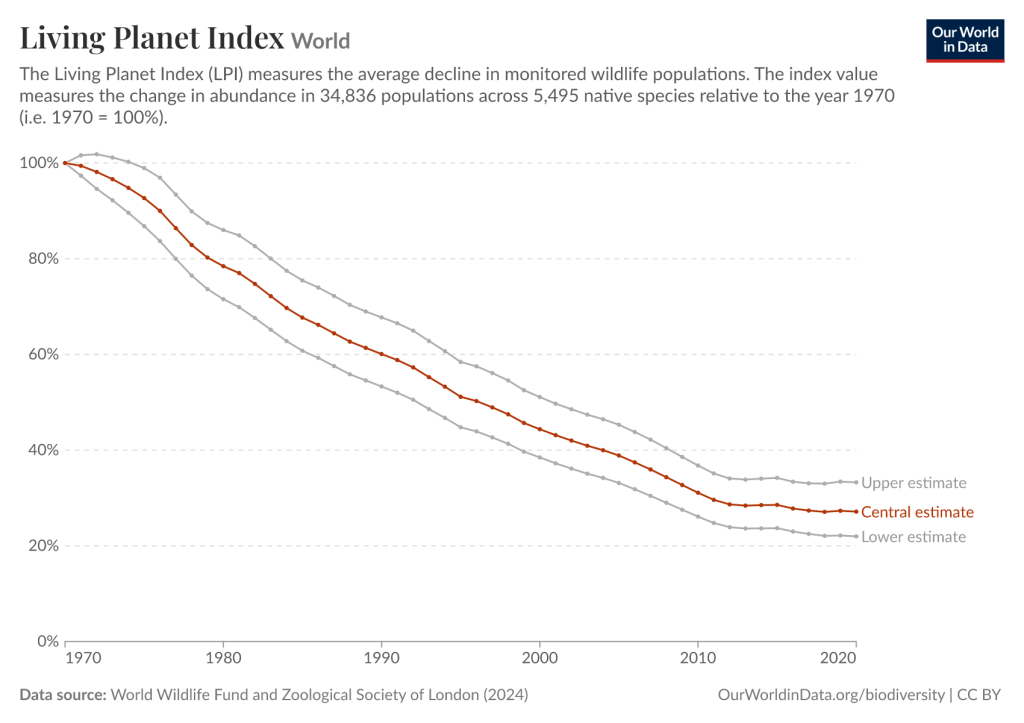
Monitored wildlife populations have declined by an average of 73% since 1970, measured across almost 35,000 populations of nearly 5,500 vertebrate species. Humanity is now using nature 73% faster than the Earth can regenerate it — the equivalent of 1.73 planets, the highest level of overshoot in human history.
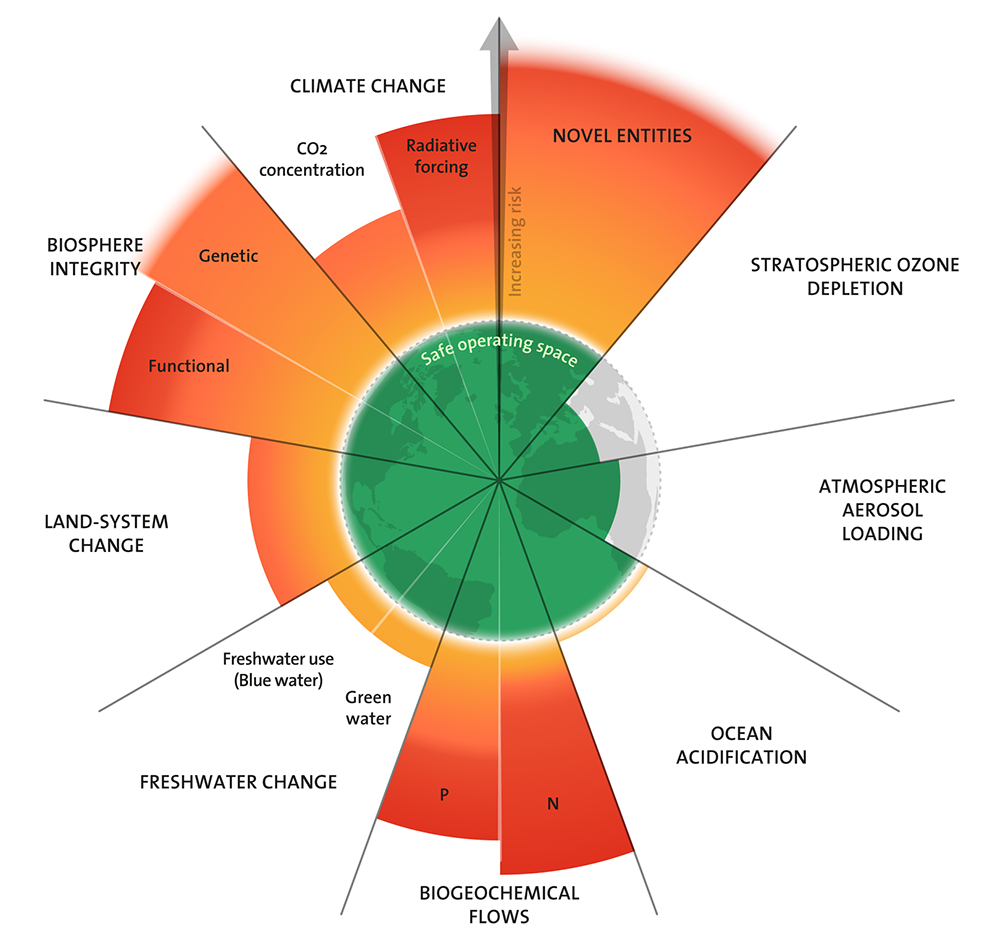
Of the nine planetary boundaries that keep Earth’s systems stable, seven have now been crossed: climate change, biosphere integrity, land-system change, freshwater use, biogeochemical flows, novel entities, and — newly breached in 2025 — ocean acidification. Only ozone depletion and aerosol loading remain within safe limits. All seven of the breached boundaries are worsening.
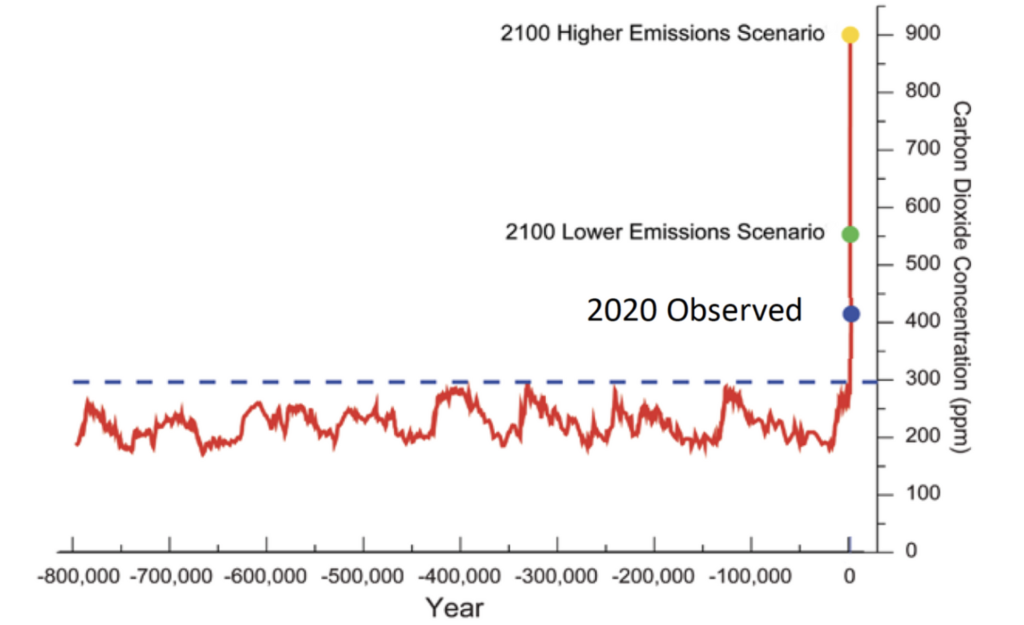
The three years to 2025 averaged more than 1.5°C above pre-industrial levels, the first time on record a three-year period has done so. Warming on that scale is already producing worse and more frequent bushfires, severe heatwaves, floods, droughts, disrupted farming, rising seas, and damage to habitats across the board. As these pressures compound, the effects escalate.
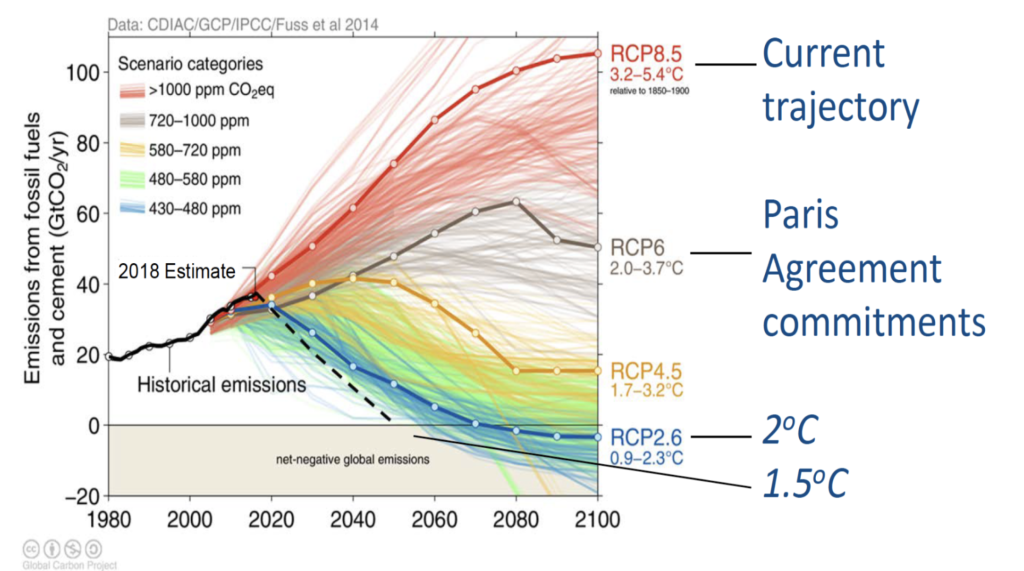
Holding warming near 1.5°C requires global emissions to fall roughly 55% below 2019 levels by 2035. Current policies have the world tracking toward up to 2.8°C of warming this century. Every fraction of a degree between those two numbers will decide how much is lost — in heat events, in fire seasons, in habitat that no longer supports the species that evolved for it, and in the food systems and economies built around them.
The 2035 deadline is just nine years away. It’s time to get to work.
What does that mean for Australia?
Global figures are hard to hold onto. Here is what they look like at ground level, in Australia, now.
Extreme weather in 2025 drove $4.8 billion in insured losses across 294,000 claims — almost six times the number lodged the year before — with the total economic cost estimated at more than $8.6 billion. That figure is only the visible edge. Behind it sit rising premiums, whole postcodes becoming difficult to insure, and communities rebuilding for the second or third time.
On farms, the change has been slower and just as expensive. ABARES modelling finds hotter, drier conditions since 2000 have cut average broadacre farm profits by around 23% — roughly $29,000 per farm, per year — and that is after accounting for the considerable gains Australian farmers have made adapting to them. Cropping farms, the most exposed, have worn losses well beyond the average.
What comes next is already mapped. Australia’s first National Climate Risk Assessment found that at 3°C of warming, more than 61% of the continent would spend at least 150 days a year above the heat-stress threshold for European beef cattle. Heat stress means reduced fertility, slower weight gain, lower milk yield and higher mortality. Productivity and welfare fail in the same paddock, for the same reason, at the same time. They are not competing concerns.
Disease moves with the weather too. Japanese encephalitis — carried by mosquitoes, maintained in waterbirds, amplified in pigs, and capable of infecting horses and people — was not established on mainland Australia before 2022. Flood and heat conditions carried it south. It is now expected to return seasonally, it cannot be eradicated, and there is still no animal vaccine registered for general use here. A wetter spring in the Murray Valley is now a public health variable. This is the pattern the National Climate Risk Assessment expects to broaden: shifting rainfall and rising temperatures widening the range of pests and pathogens, and with them the biosecurity burden carried by producers, governments and veterinary services.
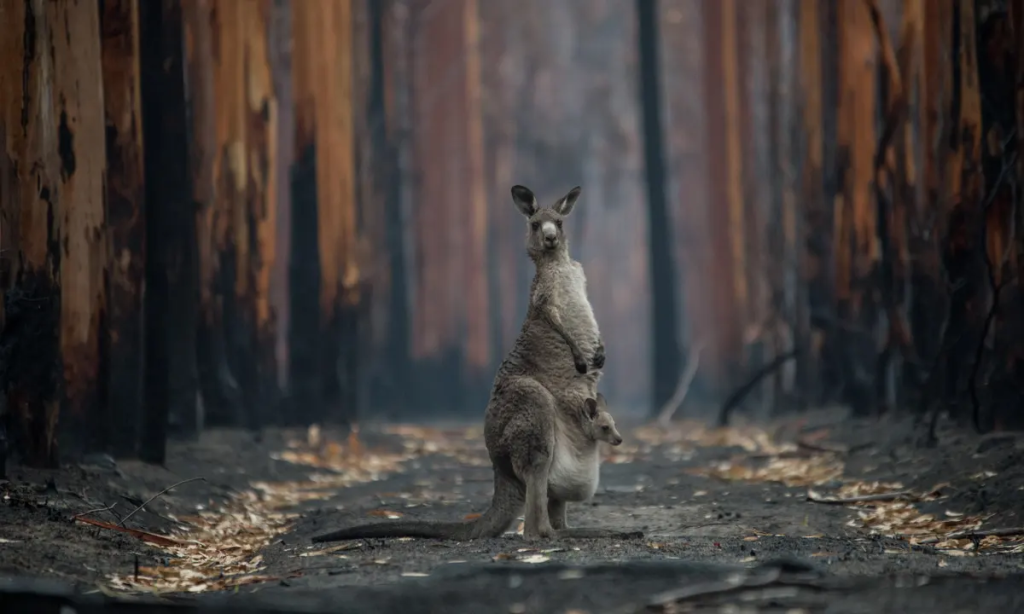
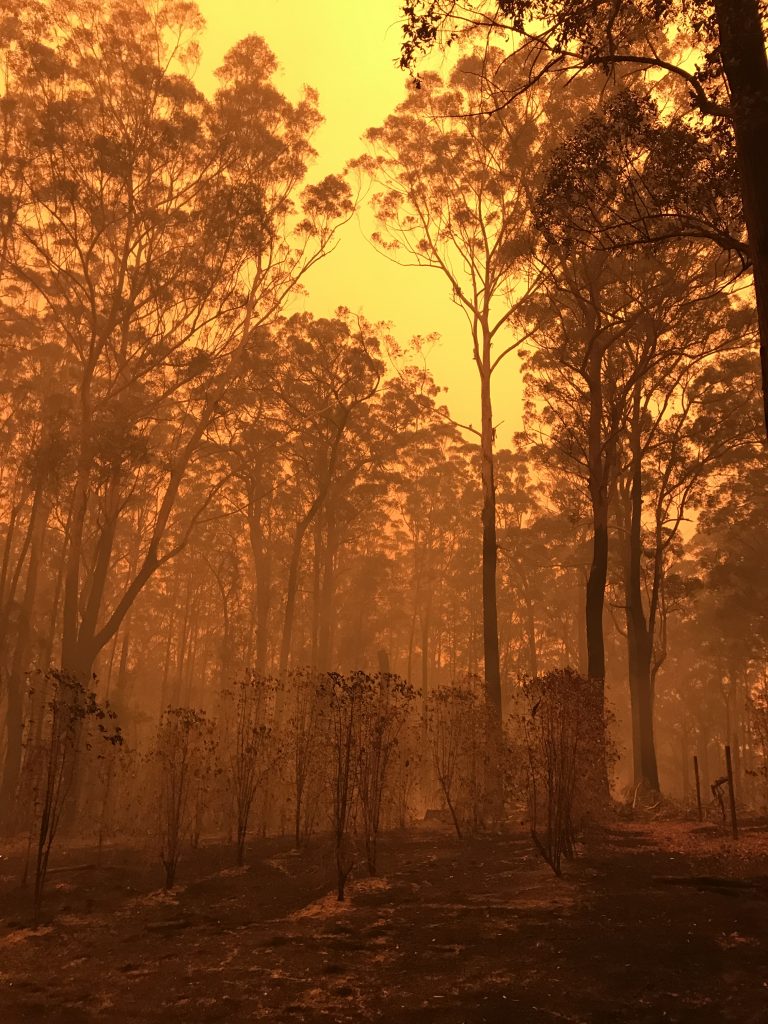
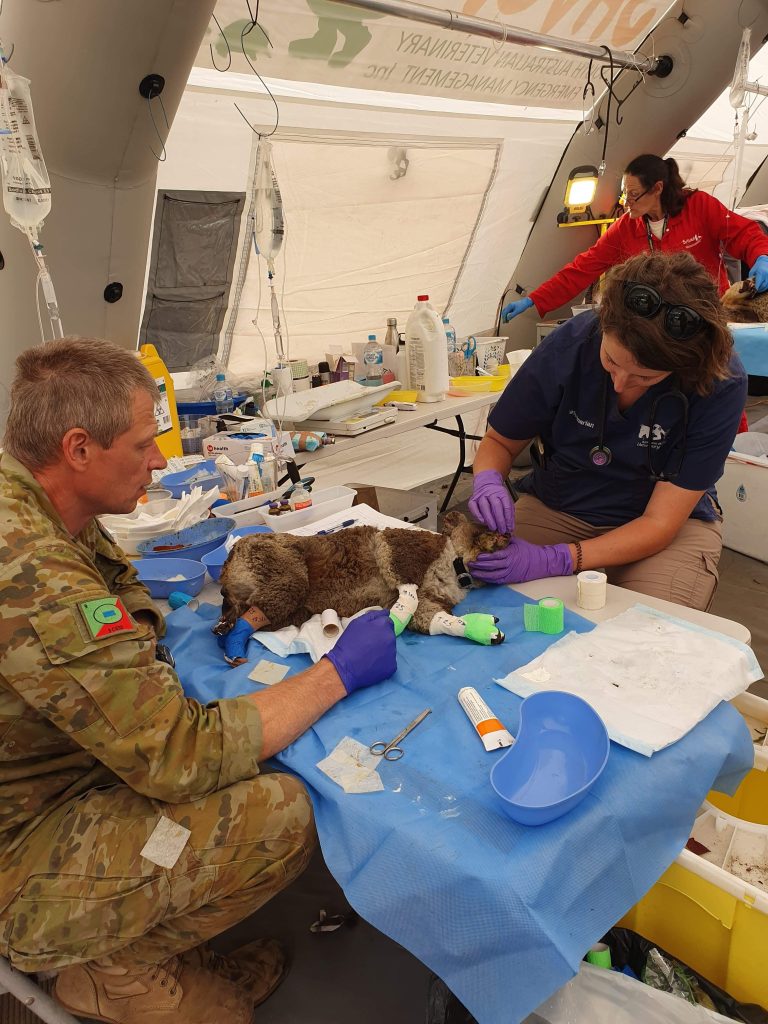
Then there are the events that arrive all at once. The 2019–20 bushfires killed or displaced close to three billion animals — native wildlife, livestock, and the animals people live with. Thirty-three people died directly, and thousands more lost homes, businesses, working dogs, breeding lines and stock built up over generations. Anyone who worked a triage table that summer knows the loss did not sort itself neatly into categories of wildlife, production animal and pet. It was one loss, and it was felt as one.
That is the through-line. Human and animal fortunes are not parallel stories that occasionally intersect. They run on the same water, the same feed, the same air, the same weather, the same land. A drought that empties a dam is a livelihood problem, an animal welfare problem, an ecological problem and a mental health problem, and it is pointless to argue about which it is first. Food security is national security. Biosecurity is economic security. A functioning environment is the input that every other input depends on.
None of this asks anyone to adopt a worldview. It is a description of operating conditions — the ones Australian farmers, rural communities, wildlife carers and veterinary practices are already working in, and the ones that will get harder for the foreseeable future, unless the trajectory changes.
So, why vets?
Veterinarians sit at the centre of it all. They are the profession that sees the heat stress, the reproductive losses, the novel pathogen, the burnt wildlife, the exhausted farmer, the struggling family and their pets.
Across 3,793 practices and a workforce of close to 30,000 people, veterinarians serve every community in the country — supporting the 73% of Australian households with a pet, underpinning a $32.2 billion agriculture industry, and protecting export markets worth billions more. There are few professional groups left in Australia that are present in the inner suburbs and in towns of four hundred people, and that are welcome in both a family’s living room and a grazier’s yards.
Veterinary medicine is the clinical discipline that works across species and across the boundary where animal and environmental health becomes human health. Zoonotic disease, food safety, water quality, antimicrobial resistance, wildlife pathology, population-level epidemiology — these are not adjacent interests for the profession. They are the syllabus. One Health is a term other sectors have had to adopt. For veterinarians it describes an ordinary working week.
Trust is the profession’s most valuable asset, and Australians grant it. The 2025 Ethics Index ranked veterinarians fifth among all occupations for ethics and integrity, alongside nurses, ambulance officers, firefighters and primary school teachers. When a vet says that calving patterns have shifted, that the tick line has moved south, that a mosquito season now runs longer than it used to, or that a herd is not recovering the way it did fifteen years ago, people believe them — because it is a clinical observation, made across hundreds of animals, and it costs the person making it nothing to say.
The profession is also the country’s early warning system. Australia recorded its first detection of H5 high-pathogenicity avian influenza in June 2026, in a migratory seabird in Western Australia. Within eight weeks there were more than 230 confirmed detections in wild birds across five jurisdictions. Australia had been the last continent free of the strain. Whatever happens next — and it may yet be contained — the sequence tells you where the first line sits. Somebody noticed a sick bird. Somebody with veterinary training worked out what it was. Everything downstream, from wildlife response to poultry biosecurity to public health messaging, depended on that.
None of this is an argument that the profession should carry more. It is already carrying a great deal. Australia is years into a veterinary workforce shortage, felt most sharply in the rural and regional practices closest to these impacts. Vacancies in some regions take more than a year to fill. Asking a profession under that kind of pressure to take on a further responsibility would be unreasonable if the responsibility were optional. It isn’t. The conditions described above will arrive in veterinary caseloads whether or not the profession has a position on them.
So the question is not whether veterinarians will deal with this. They already are, one consultation at a time. The question is whether they do it individually and privately, or collectively and publicly — with a shared evidence base, a coordinated voice in policy, practical tools for reducing the footprint of veterinary work itself, and the standing that comes from a profession speaking as one.
That is what AVEA exists to do.
How to move forward
It’s easy to get bogged down in the bad news, but sustainability isn’t just an obligation — it’s an opportunity to build stronger, more resilient veterinary practices. Reducing waste and energy use lowers costs; meaningful sustainability goals can help attract and retain staff; and visible action can strengthen relationships with clients and the wider community. Through AVEA, connect with like-minded colleagures around Australia and through WVEA, around the world. Our programs are designed to help practices turn these opportunities into practical, achievable actions — and believe it or not, we try to have some fun along the way, too.
AVEA’s Strategic Objectives — A Plan for the Future
Education
- Influence national and international veterinary associations to embed climate science, adaptation, sustainability, biodiversity protection and planetary health into all veterinary curricula globally
- Facilitate practical sustainability training that is effective, credible and continuous across the profession
- Share best practices and models from those currently leading in this space
- Presentations at veterinary conferences worldwide
Global Policy
- Unite the veterinary profession as a global voice for animal health and welfare in the face of the triple planetary crisis
- Advocate for animals who have no voice to speak
- Facilitate national veterinary associations having a policy on climate, sustainability and the protection of biodiversity
Biodiversity
- Empower a global veterinary-led response to the biodiversity crisis, grounded in One Health and ecological stewardship
- Promote responsible prescribing and procurement including targeted use of parasiticides and antimicrobials
- Educate clients about coexistence strategies
- Share tools and resources that enable veterinarians to act as sentinels and first responders to emerging infectious diseases
Sustainability: In-Practice and Equine
- Drive practical sustainability, emissions reduction and circular solutions across veterinary practice and industry
- Inspire and support veterinary professionals to act locally while collaborating globally
Build and promote the business case for net-zero veterinary care - Championing environmental responsibility and climate resilience while safeguarding high standards of animal care
Sustainability On-Farm
- Empower veterinarians as key partners in the transition of livestock agriculture worldwide toward climate-smart, welfare-centred, economically resilient and regenerative systems
- Promote methane reduction
- Protect food security
- Support veterinarians, farmers, and communities on the frontline of climate impacts
Looking for a vet that takes sustainability seriously?
These clinics are committed to AVEA’s vision — working to reduce their environmental impact and running costs, cut waste, and lead their teams and communities towards more sustainable animal care.
AVEA’s Climate Care Program, Sustainable Equine Futures program and ZerOctober program are Australia’s only veterinary-specific sustainability programs. Clinics that take part work step by step through practical changes — from energy and water use to waste and clinical practices — guided by vets and vet nurses who’ve done the same in their own clinics. Choosing one of these practices is a way to support a business that’s putting real effort into the future of animals and the environment.
As AVEA grows we aim to offer official accreditation — but for now, these are the clinics actively working to improve how they operate for the future of our animals and our environment, while helping us to improve our program for future practices too.